



As a 'standard' flooring material for computer rooms and laboratories, PVC anti-static flooring combines both decorative and functional properties, but its quality varies, making it difficult for many people to choose the right product. In fact, by mastering a set of practical tips, you can easily select a reliable product and avoid quality pitfalls.
The first step is to 'identify safety by smell.' High-quality PVC anti-static flooring uses environmentally friendly substrates and has no pungent odor when smelled closely; if you detect a sour or irritating smell, it likely contains harmful substances such as formaldehyde. Even if the price is low, it should never be chosen, as safety always comes first.
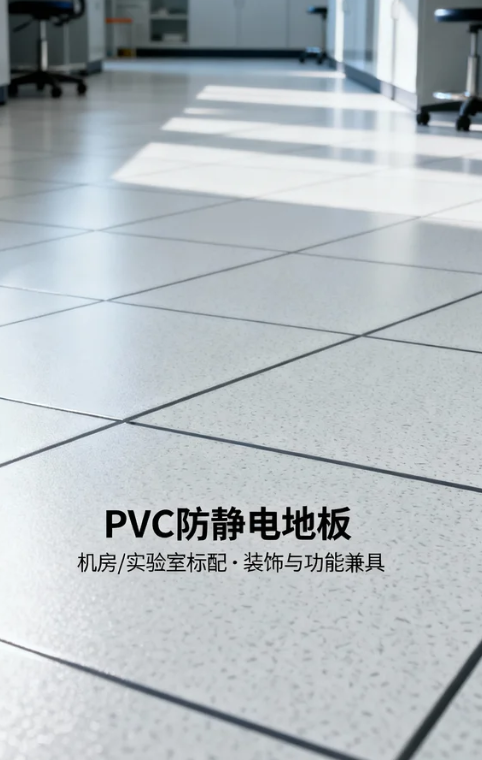
Wear and stain resistance are core performance indicators. You can lightly scratch the floor surface with a key; if it only leaves shallow marks that can be easily wiped off, it means the wear-resistant layer meets the standard. Then, wipe with a cloth stained with oil; if no residue remains afterward, it meets daily usage requirements, making it especially suitable for areas with dense equipment and frequent foot traffic.
Stability and weather resistance should not be overlooked. Use a blade to slightly cut the edge of the floor; if you feel significant resistance and it is not easy to cut through, it indicates the presence of a glass fiber stabilizing layer, making it less likely to warp after installation. You can also drop a few drops of alcohol or a small amount of saltwater on the surface and let it stand for a day; only if there is no discoloration or blistering can it be considered acid and alkali resistant.
Finally, do not forget to check the inspection report. Genuine products come with an anti-static performance certificate to ensure that the surface resistance value meets industry standards. By mastering these tips and selecting according to your specific usage scenario, you can purchase PVC anti-static flooring that is both safe and durable.